Pricing to generate competition consistently outperforms aspirational pricing. In low-inventory East Bay neighborhoods, a home priced at or slightly below the likely market clearing point creates the competitive dynamics — multiple offers, escalating bids — that produce better outcomes than a number set at what the seller thinks the home is worth. A stale listing in a neighborhood where homes close in 14 days is not a neutral outcome. Every week on market raises questions and suppresses urgency.
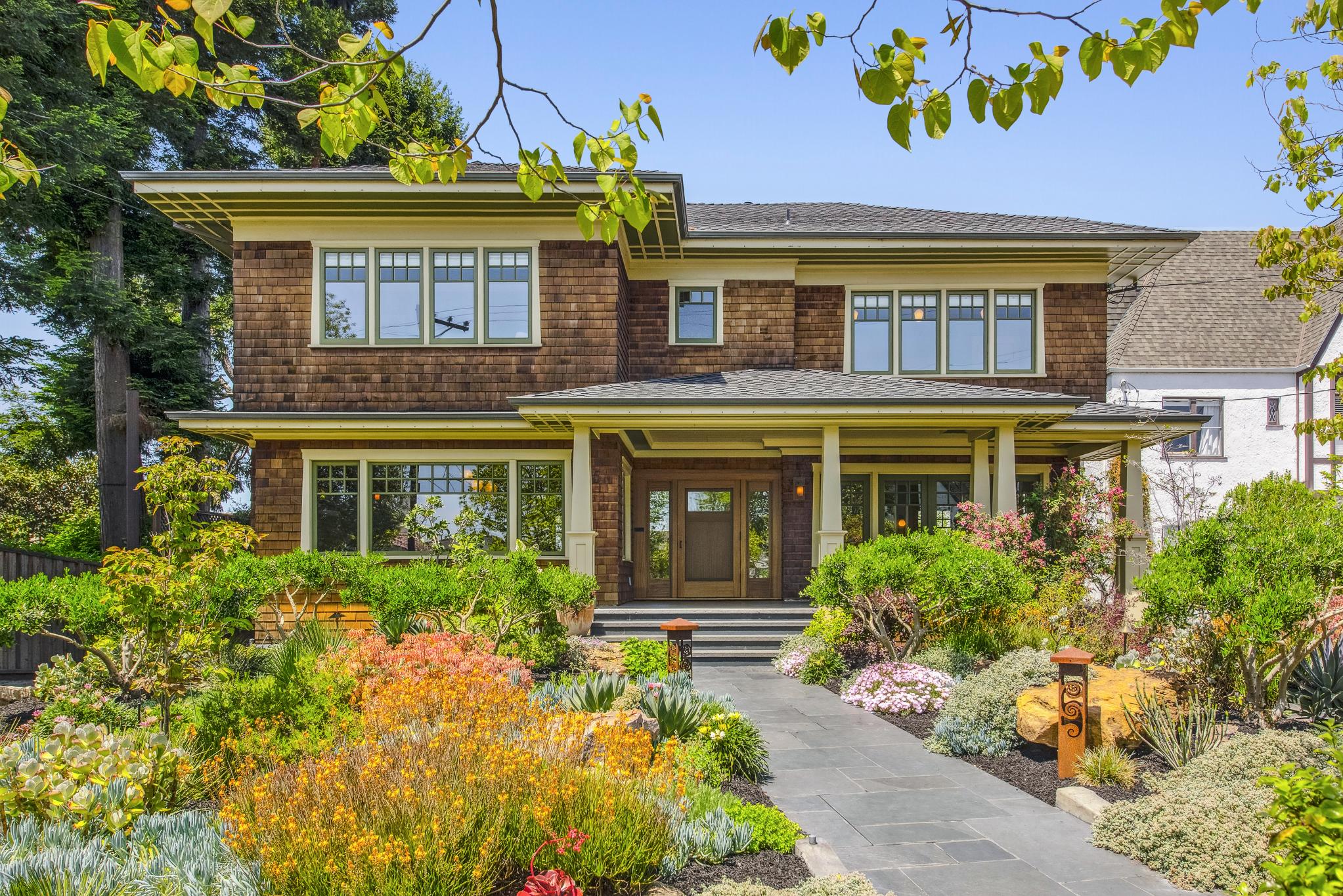
Selective pre-market investment has a measurable return. The improvements that consistently move the needle are the ones that remove buyer objections — fresh paint, updated lighting, landscaping, targeted staging. The improvements that often don't pencil are large-scale remodels done at seller taste and seller timing. Well-prepared, staged homes outperform as-is listings by 8–12% in comparable East Bay neighborhoods. That number applied to a $2M home is $160,000–$240,000.
Long-term owners face specific financial considerations. Prop 19 changed the calculus for owners 55+ who have been holding partly because of property tax lock-in — you can now transfer your tax base anywhere in California, up to three times. But Prop 19 addresses taxes, not capital gains. The exposure on $1M+ in appreciation above your cost basis deserves a conversation with a tax advisor before you list.